Biodiversity in agricultural landscapes – but how?
In cooperation with


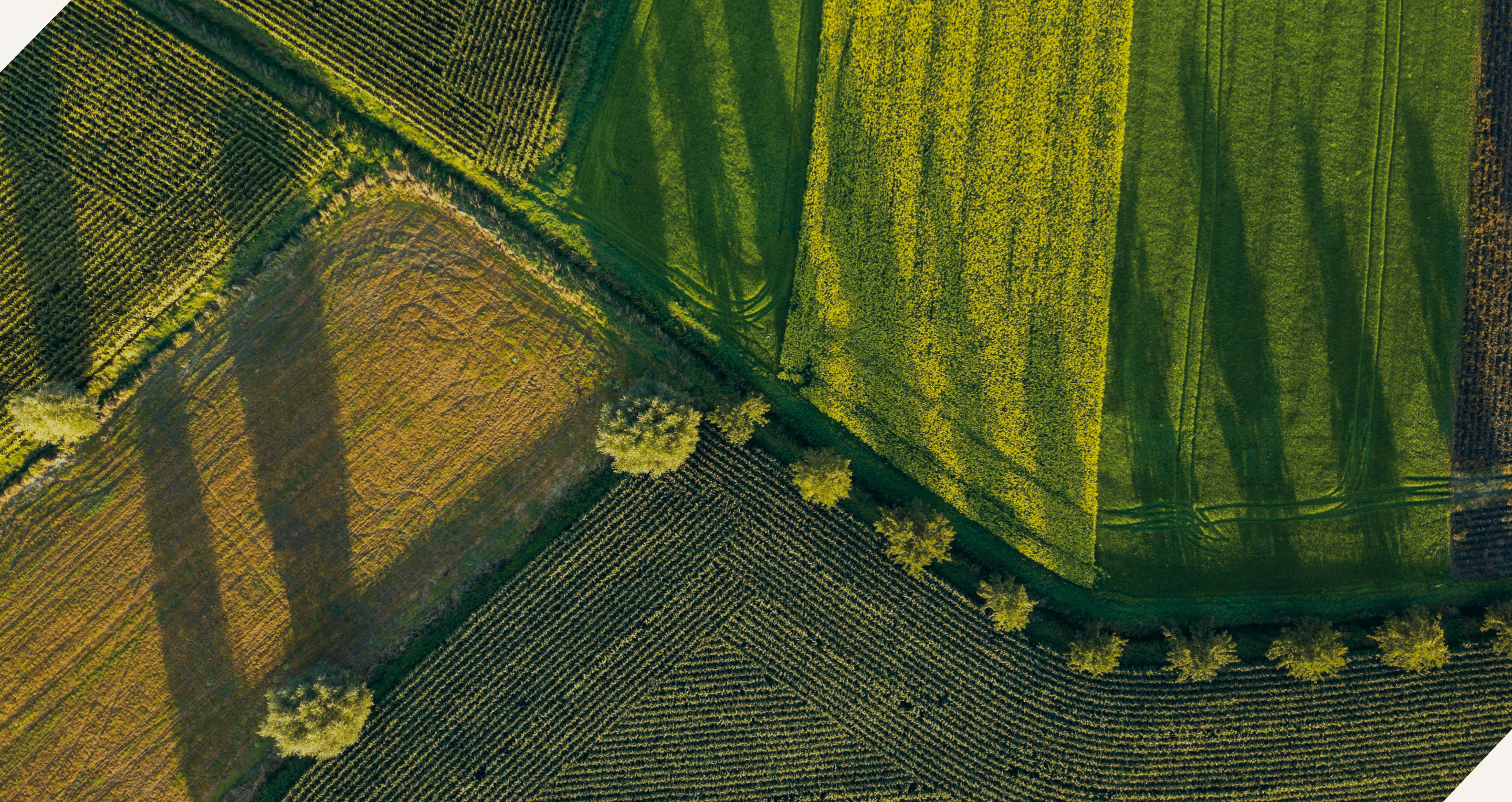
Together with experts from various fields, we aim to shape a more biodiversity-friendly future in order to halt the decline in biological diversity. To this end, we analyse instruments of agricultural and food policy and use an eco-economic model to assess their impacts and identify possible courses of action.
Biodiversity in agricultural landscapes – but how?
Together with experts from various fields, we aim to shape a more biodiversity-friendly future in order to halt the decline in biological diversity. To this end, we analyse instruments of agricultural and food policy and use an eco-economic model to assess their impacts and identify possible courses of action.

Biodiversität in der Agrar-landschaft, aber wie?
Together with experts from various fields, we aim to shape a more biodiversity-friendly future in order to halt the decline in biological diversity. To this end, we analyse instruments of agricultural and food policy and use an eco-economic model to assess their impacts and identify possible courses of action.
Unsere Praxispartner

About the Project
What is BEATLE and how do we work?
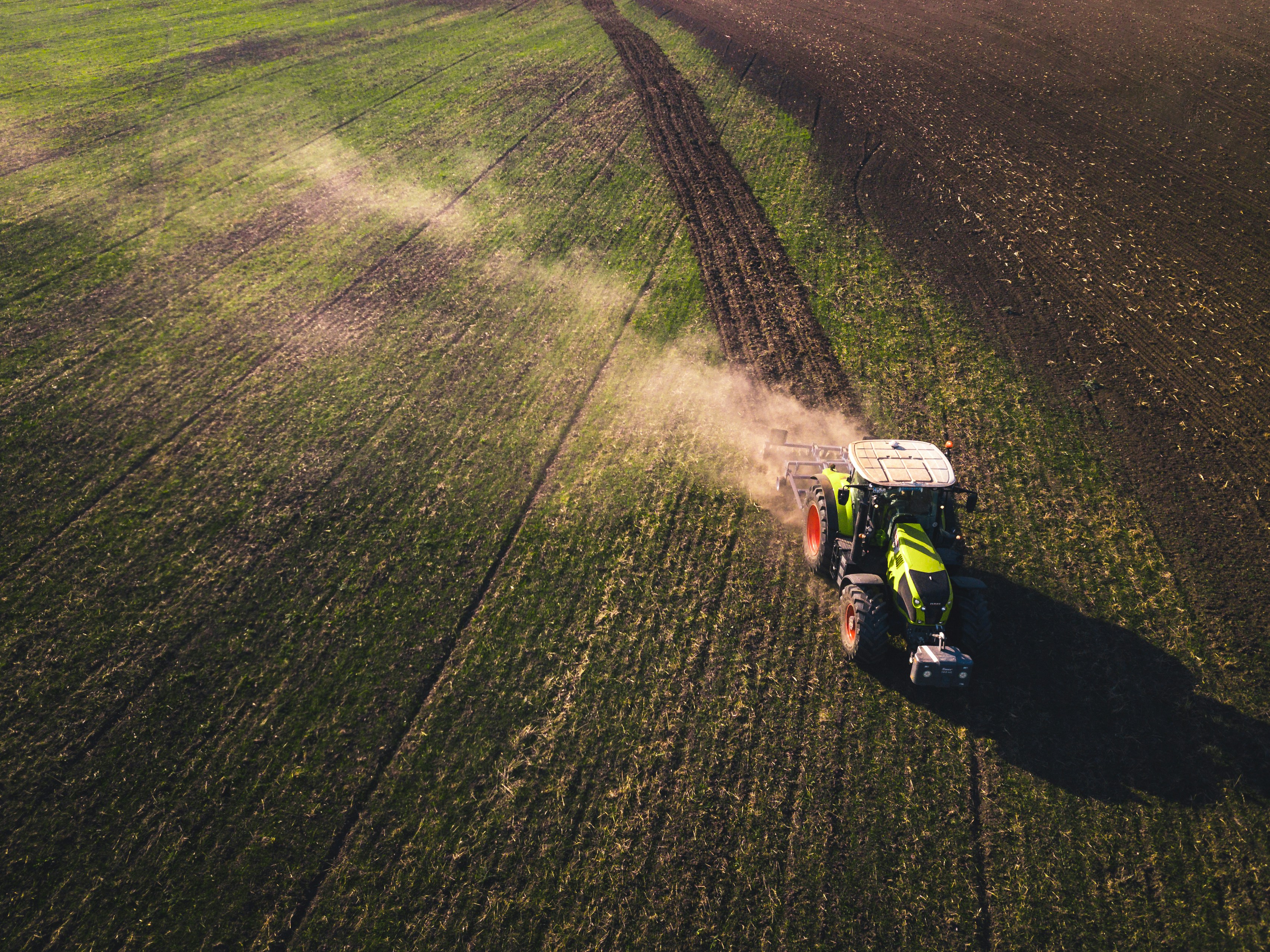
Using an inter- and transdisciplinary research design, we investigate how transformations towards a biodiversity-friendly agricultural and food system could look. As part of the socio-ecological research conducted within the BEATLE project, we address four core areas.
1
LAND USE & BIODIVERSITY
2
ECO-ECOLOGICAL MODEL
3
LOCAL AND NATIONAL PERSPECTIVES
4
MODELLING AND CO-EVALUATION
Land use and biodiversity
Quantitative assessment of ecological relationships and interactions between land use, biodiversity, and ecosystem services, using as an example the effects of semi-natural habitats on pollination services.
About the Project
What is BEATLE and how do we work?
Using an inter- and transdisciplinary research design, we investigate how transformations towards a biodiversity-friendly agricultural and food system could look. As part of the socio-ecological research conducted within the BEATLE project, we address four core areas.
1
LAND USE & BIODIVERSITY
2
ECO-ECOLOGICAL MODEL
3
LOCAL AND NATIONAL PERSPECTIVES
4
MODELLING AND CO-EVALUATION
Land use and biodiversity
Quantitative assessment of ecological relationships and interactions between land use, biodiversity, and ecosystem services, using as an example the effects of semi-natural habitats on pollination services.
About the Project
What is BEATLE and how do we work?
Using an inter- and transdisciplinary research design, we investigate how transformations towards a biodiversity-friendly agricultural and food system could look. As part of the socio-ecological research conducted within the BEATLE project, we address four core areas.
1
LAND USE & BIODIVERSITY
2
ECO-ECOLOGICAL MODEL
3
LOCAL AND NATIONAL PERSPECTIVES
4
MODELLING AND CO-EVALUATION
Land use and biodiversity
Quantitative assessment of ecological relationships and interactions between land use, biodiversity, and ecosystem services, using as an example the effects of semi-natural habitats on pollination services.
What we work on
How can agricultural and food policy contribute to biodiversity?
The decline in biological diversity has alarmed the wider public and triggered political responses. This is reflected at the regional level in popular initiatives to strengthen biodiversity, at the federal level in the Insect Protection Action Programme, and in the EU’s CAP reforms. However, there is still a lack of knowledge about the consequences and macroeconomic costs of these initiatives. Questions such as “What are the effects of biodiversity-friendly measures on consumer prices and agricultural production?”; “Which policies achieve the most efficient cost–benefit ratios?”; “What is the level of acceptance among consumers and farmers for different policy designs?”; “Which unintended consequences and trade-offs arise, and how can they be taken into account in policy design?” remain largely unanswered. Against this background, the BEATLE project pursues three objectives.
The development of an eco-economic market model for policy impact assessment that accounts for different agricultural production systems as well as biodiversity-related ecosystem services.
The joint development of transformation scenarios with practice partners and local stakeholders, and the assessment of the potential of non-state instruments as a complement to state instruments in agricultural and food policy.
The co-production of actionable implementation knowledge and concrete policy recommendations.
What we work on
How can agricultural and food policy contribute to biodiversity?
The decline in biological diversity has alarmed the wider public and triggered political responses. This is reflected at the regional level in popular initiatives to strengthen biodiversity, at the federal level in the Insect Protection Action Programme, and in the EU’s CAP reforms. However, there is still a lack of knowledge about the consequences and macroeconomic costs of these initiatives. Questions such as “What are the effects of biodiversity-friendly measures on consumer prices and agricultural production?”; “Which policies achieve the most efficient cost–benefit ratios?”; “What is the level of acceptance among consumers and farmers for different policy designs?”; “Which unintended consequences and trade-offs arise, and how can they be taken into account in policy design?” remain largely unanswered. Against this background, the BEATLE project pursues three objectives.
The development of an eco-economic market model for policy impact assessment that accounts for different agricultural production systems as well as biodiversity-related ecosystem services.
The joint development of transformation scenarios with practice partners and local stakeholders, and the assessment of the potential of non-state instruments as a complement to state instruments in agricultural and food policy.
The co-production of actionable implementation knowledge and concrete policy recommendations.
What we work on
How can agricultural and food policy contribute to biodiversity?
The decline in biological diversity has alarmed the wider public and triggered political responses. This is reflected at the regional level in popular initiatives to strengthen biodiversity, at the federal level in the Insect Protection Action Programme, and in the EU’s CAP reforms. However, there is still a lack of knowledge about the consequences and macroeconomic costs of these initiatives. Questions such as “What are the effects of biodiversity-friendly measures on consumer prices and agricultural production?”; “Which policies achieve the most efficient cost–benefit ratios?”; “What is the level of acceptance among consumers and farmers for different policy designs?”; “Which unintended consequences and trade-offs arise, and how can they be taken into account in policy design?” remain largely unanswered. Against this background, the BEATLE project pursues three objectives.
The development of an eco-economic market model for policy impact assessment that accounts for different agricultural production systems as well as biodiversity-related ecosystem services.
The joint development of transformation scenarios with practice partners and local stakeholders, and the assessment of the potential of non-state instruments as a complement to state instruments in agricultural and food policy.
The co-production of actionable implementation knowledge and concrete policy recommendations.
News
Current News
Publications
News & Blog
News
Current News
Publications
News & Blog
Team
Who is behind BEATLE?
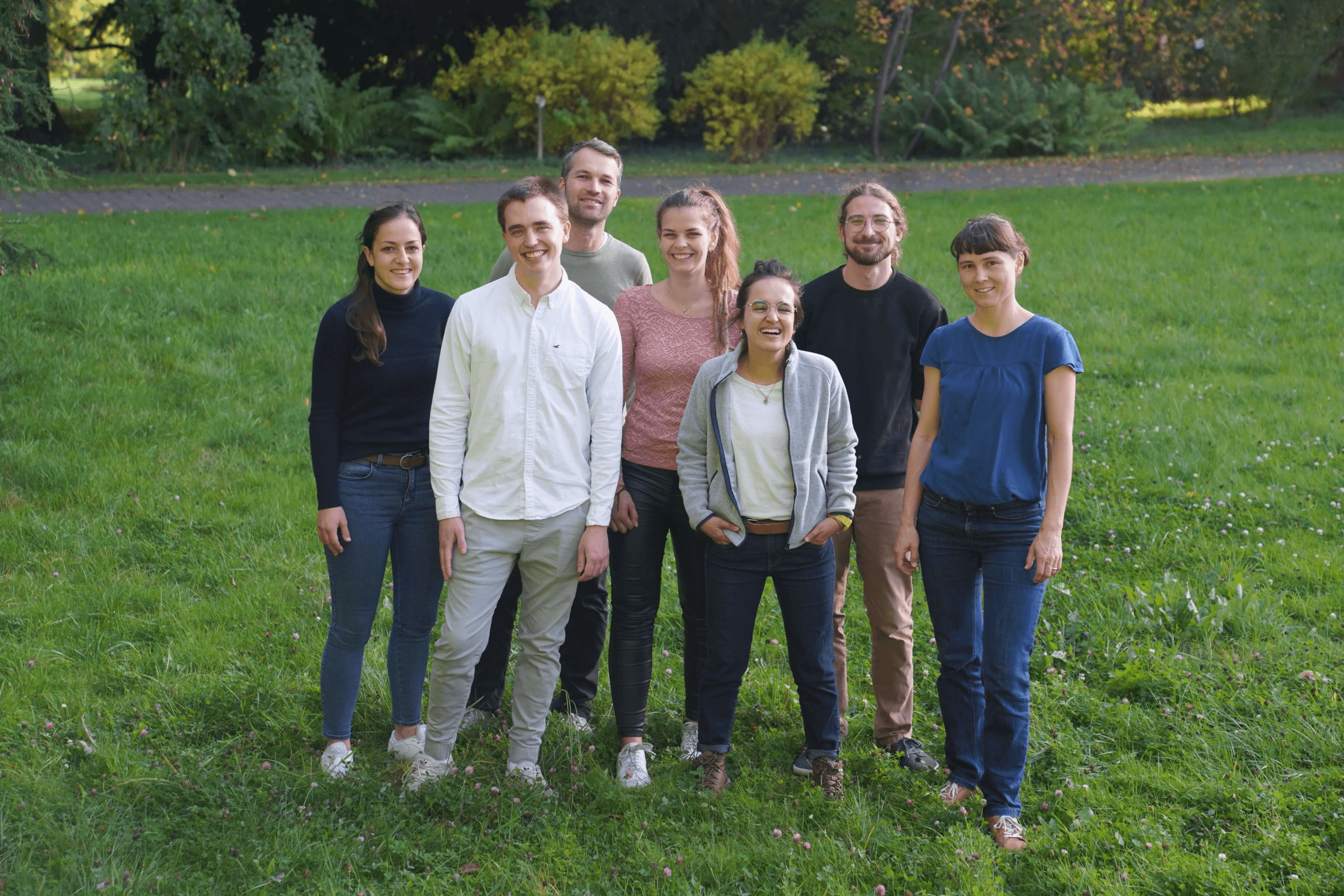
The BEATLE junior research group consists of scientists from various disciplines who work together to generate comprehensive knowledge that can contribute to a biodiversity-friendly land-use and food system.
Team
Who is behind BEATLE?
The BEATLE junior research group consists of scientists from various disciplines who work together to generate comprehensive knowledge that can contribute to a biodiversity-friendly land-use and food system.
Team
Who is behind BEATLE?
The BEATLE junior research group consists of scientists from various disciplines who work together to generate comprehensive knowledge that can contribute to a biodiversity-friendly land-use and food system.
Contact
How can we help you?
We look forward to hearing from you! Feel free to reach out to us at any time to learn more about BEATLE and our work.
Contact
How can we help you?
We look forward to hearing from you! Feel free to reach out to us at any time to learn more about BEATLE and our work.
Contact
How can we help you?
We look forward to hearing from you! Feel free to reach out to us at any time to learn more about BEATLE and our work.