This is the team behind the BEATLE project.
The junior research group BEATLE is made up of scientists from various disciplines. We are united by the goal of creating a biodiversity-friendly land-use and food system.
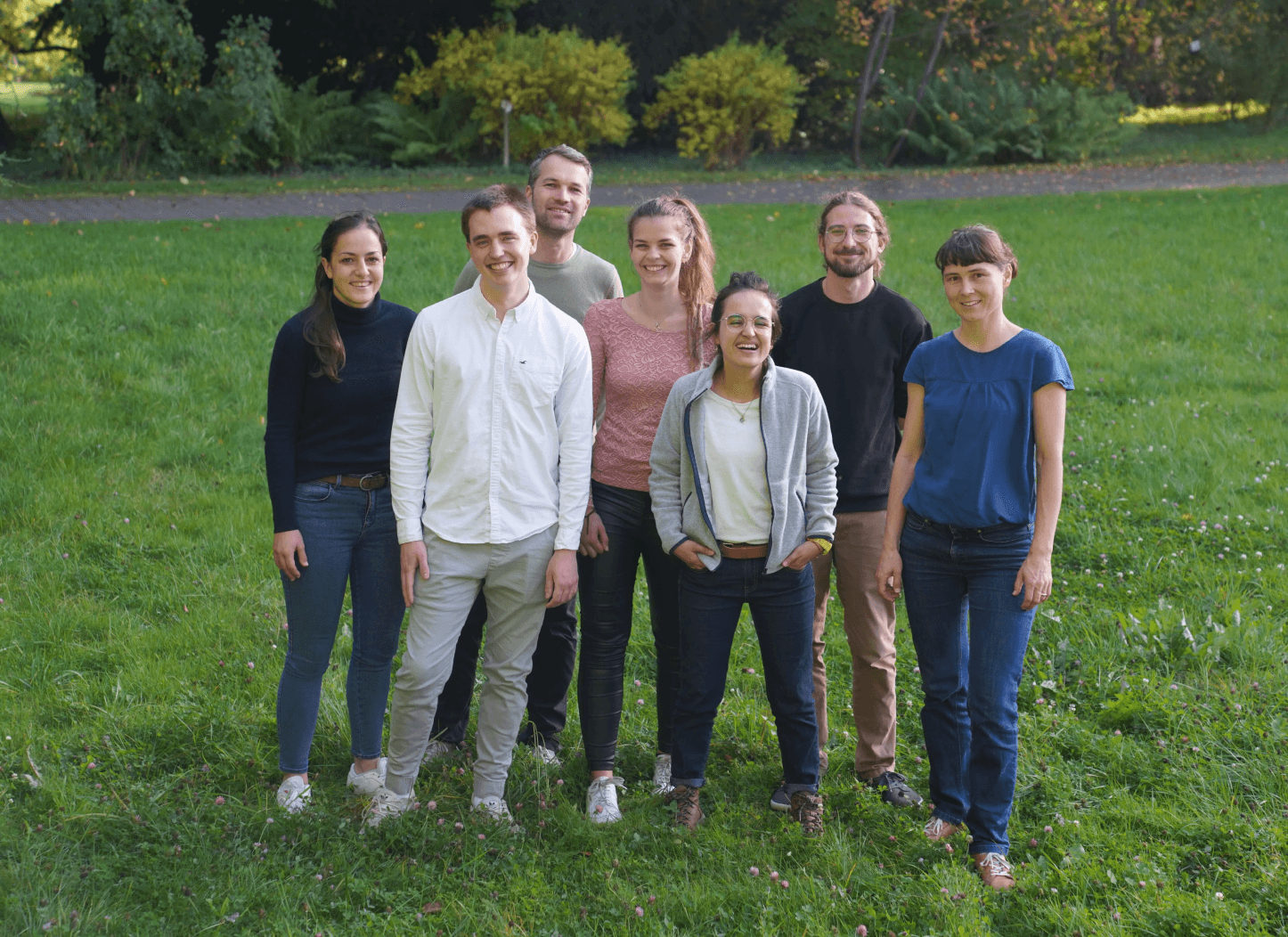
This is the team behind the BEATLE project.
The junior research group BEATLE is made up of scientists from various disciplines. We are united by the goal of creating a biodiversity-friendly land-use and food system.
This is the team behind the BEATLE project.
The junior research group BEATLE is made up of scientists from various disciplines. We are united by the goal of creating a biodiversity-friendly land-use and food system.
BEATLE Team
Get to
know us.
With an interdisciplinary team from various fields, we promote effective exchange and enable the best possible, practice-oriented work and results.

Prof. Dr. Arndt Feuerbacher
Head of the Ecological-Economic Policy Modelling unit at the University of Hohenheim. He leads the junior research group BEATLE. His main research areas are ecological-economic modelling in the context of the sustainable transformation of food systems, as well as the modelling of smallholder farming systems in the Global South.
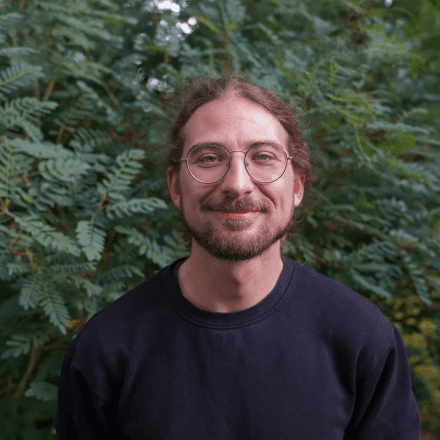
Jonathan Gerlach
Coordinates collaboration with practice partners at regional and national levels and supports the BEATLE research project in project organization and communication.
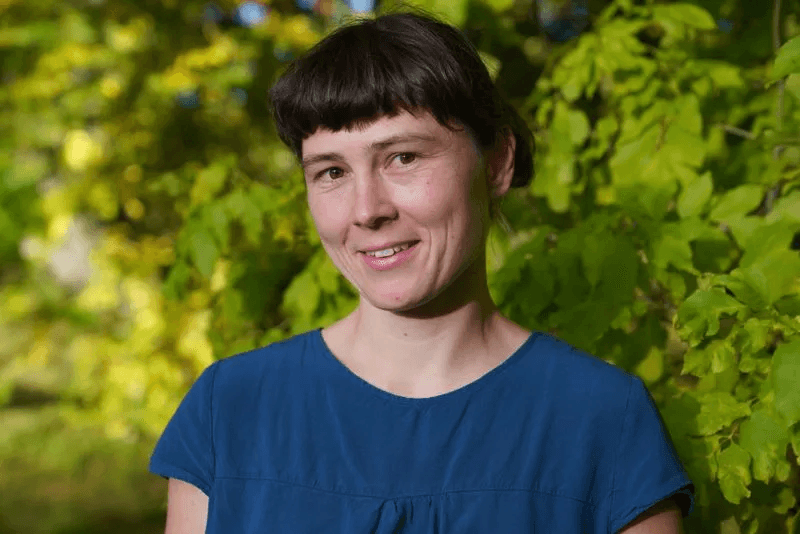
Prof. Dr. Anne Mupepele
She heads the Chair of Animal Ecology at the University of Marburg and works on evidence-based practice in ecology and ground-nesting wild bees. In the BEATLE project, she is a partner in the consortium and co-leads the junior research group, with primary responsibility for the ecological component.
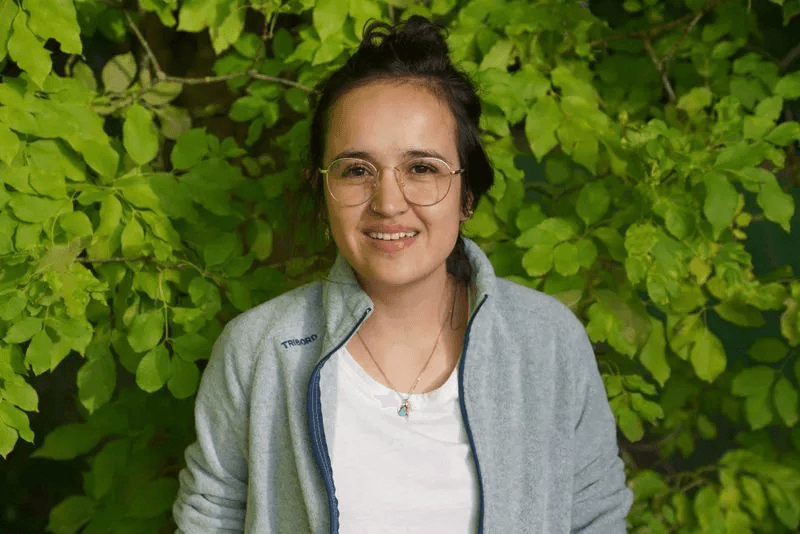
Viviana Alarcón‑Segura
Quantification of the impacts of land-use changes on biodiversity and ecosystem services, with a focus on the contribution of semi-natural habitats to biodiversity and productivity in agricultural landscapes.
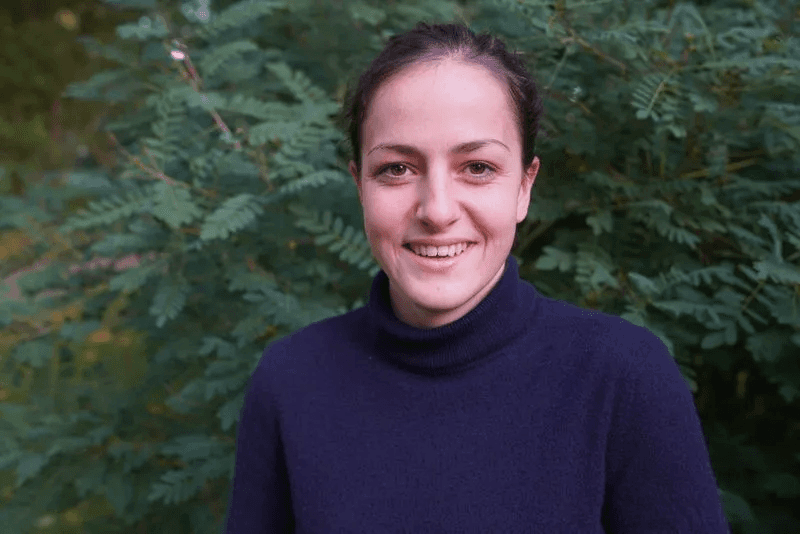
Hannah Bücheler
Develops agricultural and food policy transformation scenarios together with stakeholders at local and national levels and analyses state and non-state instruments for more biodiversity-friendly land use.
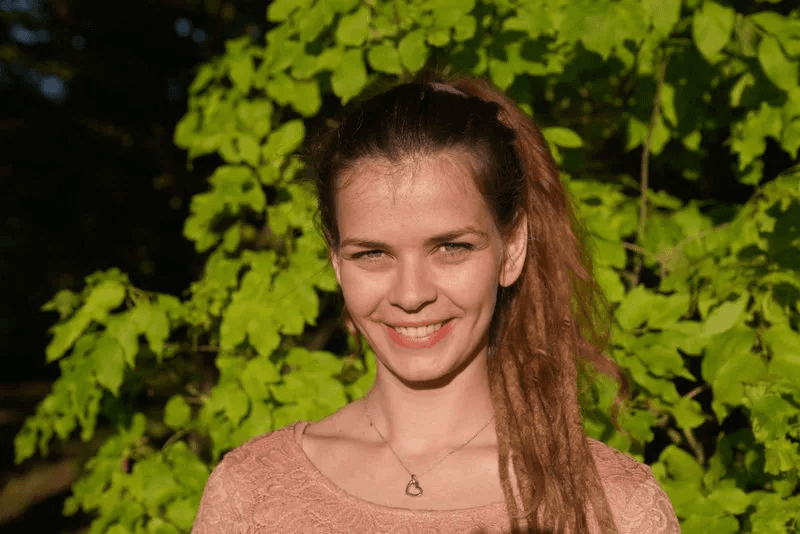
Saskia Osterkamp
Simulates the agricultural and food policy transformation scenarios in the eco-economic model and evaluates the results together with the involved stakeholders in order to develop policy recommendations for transformation pathways towards biodiversity-friendly land use.
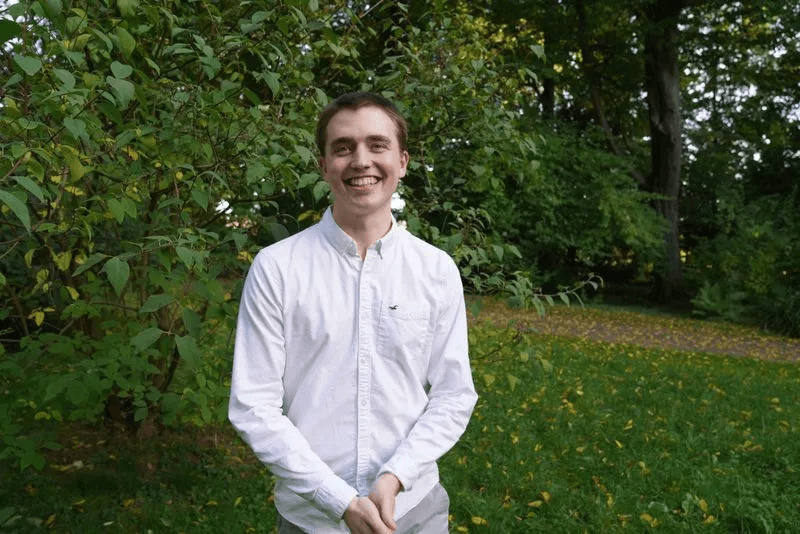
Falk Krumbe
Integrates ecological interrelationships into an economy-wide model and thereby develops an eco-economic simulation model for analysing biodiversity-friendly agricultural and food policy transformation scenarios.
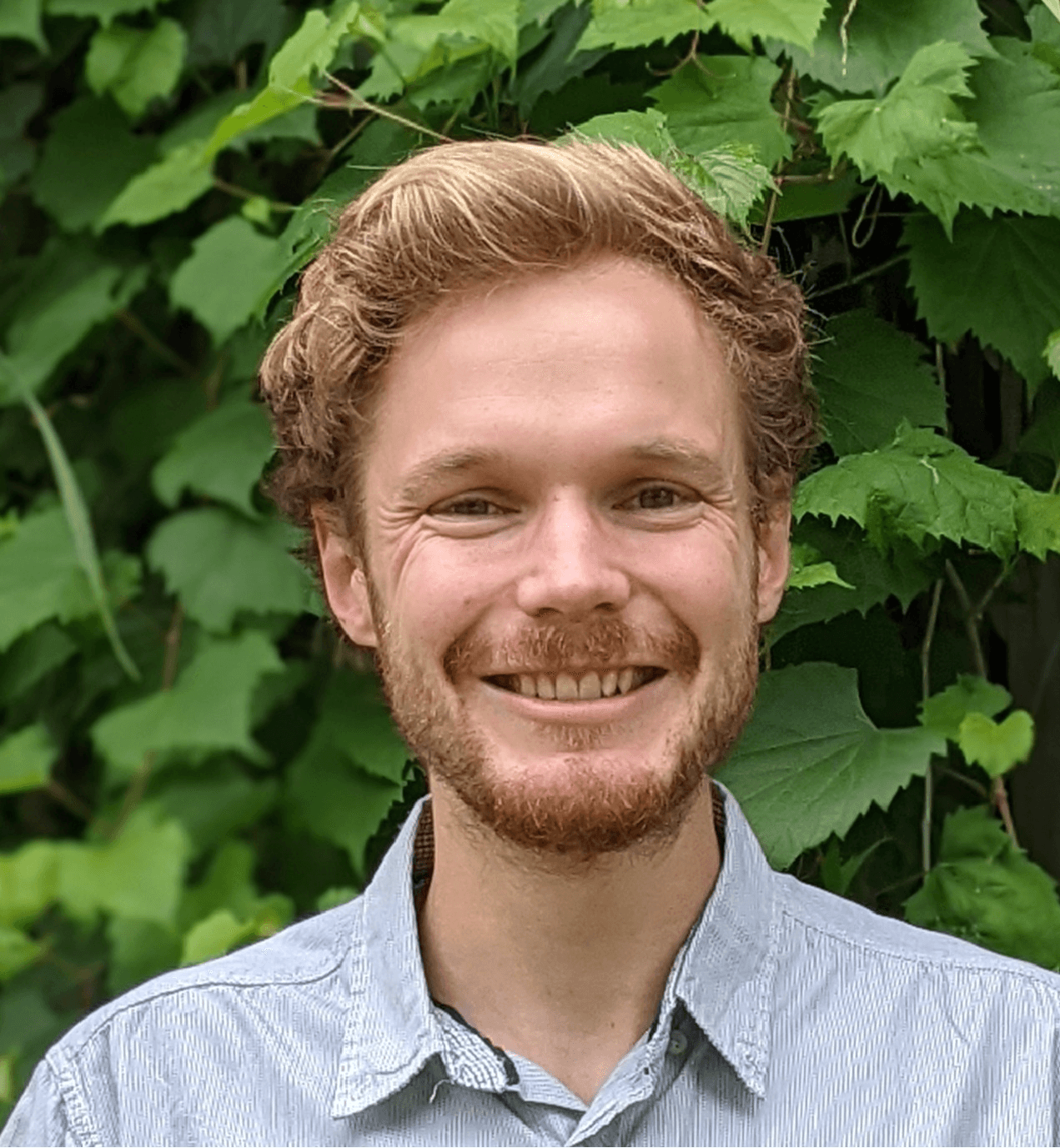
Dr. Tim Williams
Strengthens the BEATLE team as a postdoctoral researcher. His research focuses on the use of simulation models to assess the ecological and economic impacts of transitioning towards more organic farming.
Prof. Dr. Arndt Feuerbacher
Head of the Ecological-Economic Policy Modelling unit at the University of Hohenheim. He leads the junior research group BEATLE. His main research areas are ecological-economic modelling in the context of the sustainable transformation of food systems, as well as the modelling of smallholder farming systems in the Global South.
Falk Krumbe
Integrates ecological interrelationships into an economy-wide model and thereby develops an eco-economic simulation model for analysing biodiversity-friendly agricultural and food policy transformation scenarios.
Saskia Osterkamp
Simulates the agricultural and food policy transformation scenarios in the eco-economic model and evaluates the results together with the involved stakeholders in order to develop policy recommendations for transformation pathways towards biodiversity-friendly land use.
Prof. Dr. Anne Mupepele
She heads the Chair of Animal Ecology at the University of Marburg and works on evidence-based practice in ecology and ground-nesting wild bees. In the BEATLE project, she is a partner in the consortium and co-leads the junior research group, with primary responsibility for the ecological component.
Jonathan Gerlach
Coordinates collaboration with practice partners at regional and national levels and supports the BEATLE research project in project organization and communication.
Dr. Tim Williams
Strengthens the BEATLE team as a postdoctoral researcher. His research focuses on the use of simulation models to assess the ecological and economic impacts of transitioning towards more organic farming.
Hannah Bücheler
Develops agricultural and food policy transformation scenarios together with stakeholders at local and national levels and analyses state and non-state instruments for more biodiversity-friendly land use.
Viviana Alarcón‑Segura
Quantification of the impacts of land-use changes on biodiversity and ecosystem services, with a focus on the contribution of semi-natural habitats to biodiversity and productivity in agricultural landscapes.
Prof. Dr. Arndt Feuerbacher
Head of the Ecological-Economic Policy Modelling unit at the University of Hohenheim. He leads the junior research group BEATLE. His main research areas are ecological-economic modelling in the context of the sustainable transformation of food systems, as well as the modelling of smallholder farming systems in the Global South.
Prof. Dr. Anne Mupepele
She heads the Chair of Animal Ecology at the University of Marburg and works on evidence-based practice in ecology and ground-nesting wild bees. In the BEATLE project, she is a partner in the consortium and co-leads the junior research group, with primary responsibility for the ecological component.
Hannah Bücheler
Develops agricultural and food policy transformation scenarios together with stakeholders at local and national levels and analyses state and non-state instruments for more biodiversity-friendly land use.
Falk Krumbe
Integrates ecological interrelationships into an economy-wide model and thereby develops an eco-economic simulation model for analysing biodiversity-friendly agricultural and food policy transformation scenarios.
Jonathan Gerlach
Coordinates collaboration with practice partners at regional and national levels and supports the BEATLE research project in project organization and communication.
Viviana Alarcón‑Segura
Quantification of the impacts of land-use changes on biodiversity and ecosystem services, with a focus on the contribution of semi-natural habitats to biodiversity and productivity in agricultural landscapes.
Saskia Osterkamp
Simulates the agricultural and food policy transformation scenarios in the eco-economic model and evaluates the results together with the involved stakeholders in order to develop policy recommendations for transformation pathways towards biodiversity-friendly land use.
Dr. Tim Williams
Strengthens the BEATLE team as a postdoctoral researcher. His research focuses on the use of simulation models to assess the ecological and economic impacts of transitioning towards more organic farming.
Contact
How can we help you?
We look forward to hearing from you! Feel free to reach out to us at any time to learn more about BEATLE and our work.
Contact
How can we help you?
We look forward to hearing from you! Feel free to reach out to us at any time to learn more about BEATLE and our work.
Contact
How can we help you?
We look forward to hearing from you! Feel free to reach out to us at any time to learn more about BEATLE and our work.